Eurofins BPT Italy offers single cell analysis for process and product characterization
Nicolo Sacchetti, Science and Business Manager, Eurofins Cell & Gene, nicolo.sacchetti@bpt.eurofinseu.com; Giulia Mancini, Bioassay Laboratory Manager, Eurofins BioPharma Product Testing Italy, giulia.mancini@bpt.eurofinseu.com; Stefano Baila, Managing Director Support Biologics, Eurofins Cell & Gene, stefano.baila@bpt.eurofinseu.com
Cell-based immunotherapies consist of cells that are manipulated, and often gene-modified, providing the capacity to treat diseases like tumors. These therapies are composed of a heterogeneous population of cells, both phenotypically and functionally, in which not all the cells have the same effectiveness in targeting and treating the disease.
The characterisation of cell-based immunotherapies today pri-marily relies on bulk analytical tests, which typically overlook the inherent heterogeneity of these products. As a result, the ability to predict the in-vitro potency of these therapies remains a significant unmet need.
Single-cell technologies offer the potential to perform a deeper characterisation of immunotherapies, providing critical insights for the cell therapy industry as it seeks to understand the roles of the diverse cell populations that comprise therapeutic batches.
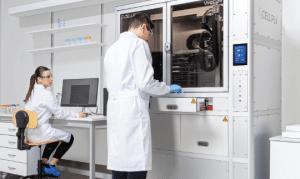
Thanks to the collaboration with Cellply, Eurofins BioPharma Product Testing Italy can now offer the VivaCyte technology, a single-cell analytical tool that delivers reproducible phenotypical and functional characterization at a single cell level using minimal amounts of valuable product samples. This cutting-edge solution allows a deeper understanding of the complexity that underlies heterogenous immune cell therapy candidates, offering an insight of their potency and persistence. The high throughput of single-cell data that VivaCyte can analyze also enables the generation of a novel Unified Killing Score (UKS). This innovative approach combines the single-cell granularity of this analysis with an easily interpretable score that facilitates direct comparisons between immune cell samples (e.g. from different donors or different gene edits), or across different cell therapy batches.
Identifying the ideal starting material cells and/or the most effective manufacturing processes, which feature higher serial killing activity and better kinetics, can enable the development of more potent products capable of generating a therapeutic response in the patient.
Eurofins BioPharma Product Testing Italy can offer clients comprehensive single-cell functional characterization services for cell-based immunotherapies to improve and save lives. For more information visit: www.eurofins.it/biopharma/comprehen-sive-cell-and-gene-therapy-testing-capabilities/
Eurofins PHAST GmbH helps clients detect and control impurities in pharmaceutical drugs earlier
Peter Kleine, Reference Standards Business / Marketing Specialist, Eurofins PHAST GmbH, dietrich-peter.kleine@bpt.eurofinseu.com
 Impurities – a risk for drug manufacturers and patients
Impurities detected too late in the development phase of a pharmaceutical product can delay product approval. Impurities that are only discovered during the production process can result in delays in market supply. If contaminated pharmaceutical drugs are already on the shelf, expensive recalls and official measures are inevitable. The consequences for the manufacturer are a loss of patient confidence in the efficacy of the preparations on offer, including a loss of brand image and a loss of confidence in the effectiveness of regulatory controls.
Pharmaceutical Analytical Impurities for Early Detection
Impurities can occur during the entire product life cycle of a pharmaceutical drug – during development, raw material purchasing, production, transportation, and storage. In order to detect an impurity and assess its degree at an early stage in these complex processes, a supplementary tool is required in addition to the use of official reference standards. Many years of experience in cooperation with science, industry, and authorities have led USP to develop its own product range, the Pharmaceutical Analytical Impurities – PAI. PAIs are analytical reference materials for the early detection of impurities in analytical research and development and process development.
The USP PAI portfolio already includes over 550 analytical reference materials for over 130 active pharmaceutical ingredients (APIs) in 20 therapeutic categories. Each USP PAI is supported by its own product information sheet with details of identity and purity.
PAIs can be used in various applications:
- Performing analytical testing during early feasibility studies for formulations
- Determination of degradation impurities, e.g. during stress studies
- Conducting spiking studies during process R&D
- Identification of unknown impurities formed under ICH stability conditions
- Testing for and profiling impurities that are not listed in the monographs for pharmaceutical drugs and drug products
PAIs can help reduce the risk of unsafe levels of impurities in the manufacturing process and increase pharmaceutical drug safety for patients. The availability of nitrosamine impurities (NSDRIs) is just one example.
Order PAI and Reference Standards easily online
Eurofins PHAST GmbH has created a webshop to provide clients with the best possible support when purchasing official reference standards and PAIs. Here clients can conveniently select and order the reference standards and PAIs needed for analyses. Register and test at: www.reference-standards.com/ or contact us at reference-standards@bpt.eurofinseu.com.
Reference standards and PAIs can only be obtained by specialists (pharmaceutical industry – e.g. manufacturers of original preparations and generics as well as phytopharmaceuticals, institutional laboratories, pharmacies).
With USP’s guidelines emphasising quality standards of mRNA analytical methods for characterisation and release testing, Eurofins BPT delivers solutions
Jeremy Johnston, Scientific Ad-visor, Drug Product Operations, Eurofins BioPharma Product Testing, jeremy.johnston@bpt.eurofinsus.com; Joe Page, President, Eurofins Advantar Laboratories, joe.page@bpt.eurofinsus.com
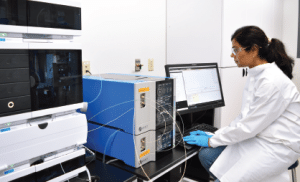
The global mRNA therapeutics market is expected to expand tremendously in the next 10 years due to these modalities being more effective, faster to design and produce, as well as more flexible compared to traditional approaches. In order to emphasize the quality and consistency of analytical methods used for mRNA-based vaccines and therapies, the United States Pharmacopeia (USP) has recently published guidelines on analytical methods covering the characterization and release testing for mRNA drug substances and mRNA drug products. In addition, the European Pharmacopoeia (Ph. Eur.) Commission re-leased three guidelines in 2023 with the goal of setting common quality standards across Europe related to the production and control of mRNA-LNP medicinal products and their components. While there are several common methods required to ensure safe-ty, quality, and purity let’s focus on a few of the more challenging assays that pharmaceutical organisations often lack expertise and instrumentation availability. The 5’ cap structure and 3’ poly-adenosine tail are crucial modifications that are introduced either co-transcriptionally or in a post-tran-scriptional reaction on the mRNA construct. The percentage of capped and polyadenylated mRNA, as well as the poly(A) tail length and distribution, will have a direct impact on the translational efficiency. Assessing these structural features requires complex methodology and instrumentation and would typically involve digesting the mRNA with enzymes that allow isolation of the relevant 3’ or 5’ end and analysis, using oligo specific synthesized probes. Both the efficiency of 5’ capping and poly A tail length can be characterized by LC/MS/MS with a high-resolution mass spectrometer (Q-TOF or Orbitrap) with IP-RP-HPLC.
An appropriate potency assay is a key CQA for any mRNA product. Eurofins BioPharma Product Testing has experts in the develop-ment and validation of potency assays for both mRNA therapeutics and vaccines. These methods are usually based on the transfection of appropriate cell lines with the mRNA drug substance or product, followed by monitoring of an induced effect, such as protein ex-pression or other quantitative effect in the cell. While the endpoint readout may be an ELISA, often Flow Cytometry can be utilized for specific mRNA products with complex mechanisms of action.
LNPs (Lipid nanoparticles) are currently the foremost non-viral delivery vector employed to transport mRNA into cells. LNPs are typically composed of four components: an ionizable cationic lip-id, a helper phospholipid, cholesterol, and a PEGylated lipid. These lipids encapsulate the mRNA payload and protect the nucleic acid core from degradation. Characterization and monitoring of the LNP physicochemical properties such as particle size, lipid content and composition, and percent mRNA encapsulation are required to support regulatory submissions. These CQAs can be monitored by DLS, zeta potential, HPLC-CAD, and RiboGreen assays.
Eurofins BioPharma Product Testing offers full mass spectrometry, cell-based potency, and flow cytometry GMP capabilities from U.S. coast to coast in Lancaster, PA; Columbia, MO; as well as San Diego, CA, locations.
In this quickly developing area, we are constantly re-evaluating the best approach and improving methodology as well as introducing new technology with the latest being the introduction in early 2025 of GMP next-generation sequencing (NGS) services in Lancaster to confirm sequence as well and to identify any sequence variants. For more information, visit: www.eurofinsus.com/bpt
Do your products meet critical attributes for the entire shelf life?
Barbara Paiola, Business Unit Manager, Eurofins BioPharma Product Testing Italy, Barbara.Paiola@bpt.eurofinseu.com

Antimicrobial Effectiveness Tests (AET) or challenge tests on drug products are typically performed during development studies sup-porting the Marketing Authorisation Holder to define the formula-tion, address microbial hurdles, and guarantee that the products meet their critical attributes for the entire shelf life.
Normally the shelf life for closed products is established during stability studies. Additionally, evaluations on multi-dose products, such as aqueous or reconstituted preparation, topical creams or ointments, solid dose tablets, or capsules packed in containers that could expose them to light, temperature, and humidity after opening, should be performed as well. Consequently, in-use stability studies can be designed to assess intrinsic microbiological robustness of multi-dose drug products.
Even if there are no recent specific guidelines, in-use stability is more and more frequently being requested by regulatory agencies for all types of multi-dose products both preserved and self-pre-served. It’s typically indicated to perform chemical tests, such as assay or preservative content, packaging tests, or tests similar to container integrity tests to assure the sterility of, for example, eye drops packaging when in use, and microbiological tests such as AET.
Usually, references for challenge tests are USP or Ph.Eur., but for in-use stability purposes, time points should be selected taking into consideration the real use of the products according to label instructions and the additional strain of a typical home environment, introducing for instance, Staphylococcus epidermidis in the protocol. An example of a sampling plan for a product diluted in an infusion bag may include testing at T0, T2, T4, T8, T24, and T48 (time expressed in hours) with storage at 5°C and 30°C. The test is then completed with the verification that microorganisms are able to grow if present or added to the product. Eurofins BioPharma Product Testing partners with clients to work on defining protocols and running them in our laboratories and solving testing challenges that may arise when approaching these requirements. For more information, please visit us at: www.eurofins.it/biopharma/
Eurofins Pharma Bioanalytics Services’ new qPCR delivers fast, accurate, regulatory compliant results
Deepak Tomar, Senior Scientific Laboratory Lead, deepak.tomar@bcl.eurofins.com; Erik Jerks, Director of Bioanalytical Services,
erik.jerks@bcl.eurofins.com; Ruqi Wang, Associate Director of Scientific Affairs, ruqi.wang@bcl.eurofins.com

Quantitative PCR (qPCR) is a powerful technique used to amplify and quantify DNA or RNA sequences for a wide range of molecular biology applications. To keep up with clients’ needs and scientific innovations, Eurofins Pharma Bioanalytics Services now offers qPCR as a new service powered by the KingFisher Flex for automated nucleic acid extraction and the QuantStudio 7 Flex for high-precision qPCR analysis. This service is designed to offer a streamlined end-to-end workflow, providing fast, accurate, and reproducible results, compliant with Good Laboratory Practices (GLP), Good Clinical Laboratory Practices (GCLP), and Clinical Laboratory Improvement Amendments (CLIA). The KingFisher Flex automates the extraction of high-quality DNA and RNA from various biological sample types, ensuring consistency and minimizing manual errors, which is crucial for downstream applications. The KingFisher Flex can process up to 96 samples per run, enabling rapid and scalable sample preparation and nucleic acid extraction.
Following nucleic acid extraction, the QuantStudio 7 Flex system takes over for the qPCR analysis for a wide range of applications, including gene expression studies, single nucleotide polymorphisms (SNP) genotyping, and pathogen detection, biodistribution, viral shedding among others. The system’s versatility and precision support both simple and complex assays, including multiplexing for simultaneous analysis of multiple targets in a single reaction. It also accommodates 96- and 384-well plates, offering scalability for various project sizes.
Eurofins Pharma Bioanalytics Services’ qPCR service provides comprehensive support, from sample preparation through data analysis, ensuring a seamless and efficient process. Rigorous quality control measures are employed at every stage to ensure the highest level of accuracy and reliability in the results, adhering to GLP, GCLP, and CLIA guidelines. By leveraging the automation of KingFisher Flex and the advanced capabilities of QuantStudio 7 Flex, Eurofins Pharma Bioanalytics Services can offer fast turnaround times, scalable solutions, and cost-effective services for molecular biology needs in research, pharmaceutical, and biotechnology industrial applications. For more information visit: www.eurofins.com/clinicaltrialsolutions
Eurofins CDMO Alphora expands its service footprint for monoclonal antibod- ies, therapeutic proteins, and antibody drug conjugate manufacturing
Sidra Satti, Marketing Specialist, Eurofins CDMO Alphora, sidra.satti@bpt.eurofinsca.com
 Post-pandemic, due to a rising number of monoclonal antibody (mAbs) based entrants to the market, research and development in this sector has become an increasing focus. With pandemic readiness also being a top priority to minimize supply chain disruptions, life sciences companies look to solutions for chronic diseases, in particular cancer, where cellular specificity is paramount. mAbs are a highly targeted solution that addresses this gap.
Eurofins CDMO Alphora continues to strive to provide solutions for life-saving therapies. To build upon our more than 20 years of experience in small molecule and high potent API, Eurofins CDMO Alphora is expanding its mAbs, therapeutic proteins, and ADCs manufacturing footprint. Its new 50,000 ft2 GMP biologics manufacturing facility in Mississauga, Ontario, to be operational by April 2026, will be dedicated to clinical and commercial applications to bolster biomanufacturing capabilities and preparedness for future pandemics.
The new facility builds upon existing Development & Pilot Scale up facilities with capabilities spanning analytical services, upstream & downstream development, process design & scale up, and bioas-says. With extensive expertise in High Potent APIs, Eurofins CDMO Alphora is uniquely positioned to provide both small and large mol-ecule services “under one roof”. For more information: www.eurofins.com/biopharma-services/cdmo/news-events/press-releases/ or Contact Us
Eurofins Central Laboratory announces the finalization of its acquisition of assets for Clinical Trial Pathology Services from DCL Pathology LLC
Sandra Hageman, Senior Director Marketing, Eurof-ins Clinical Trial Solutions Network of Companies, Sandra.Hageman@bcl.eurofins.com
 Founded in 1984, DCL Pathology is a College of American Pathologists (CAP) accredited laboratory and is internationally recognized as expert providers of clinical trial pathology services, with specific expertise in women’s health, urology, and oncology studies. The Pathology facility operates in Carmel, Indianapolis, US, and is joining the collective network of Eurofins Clinical Trial Solutions facilities to enhance its service offerings, including providing histology, cytology, pathology, and molecular testing services such as DNA, RNA and Protein quantification, qPCR, and Next Generation Sequencing.
Their technical service expertise is uniquely positioned for serving pharma/biotech clients, as well as clinical CROs in the global clinical trial space and will complement the Eurofins Clinical Trial Solutions’ extensive portfolio of central laboratory, bioanalytical, biomarker, and molecular genomic testing services in support of clinical trials. This acquisition has resulted in Eurofins Clinical Trial Solutions being able to broaden its service offerings to clients, especially in the Oncology and Vaccine Development areas. For more information visit: www.eurofins.com/biopharma-services/clinical-trial-solutions/